

Gold Detectors: The Ultimate Guide to Finding Hidden Treasure with Modern Technology
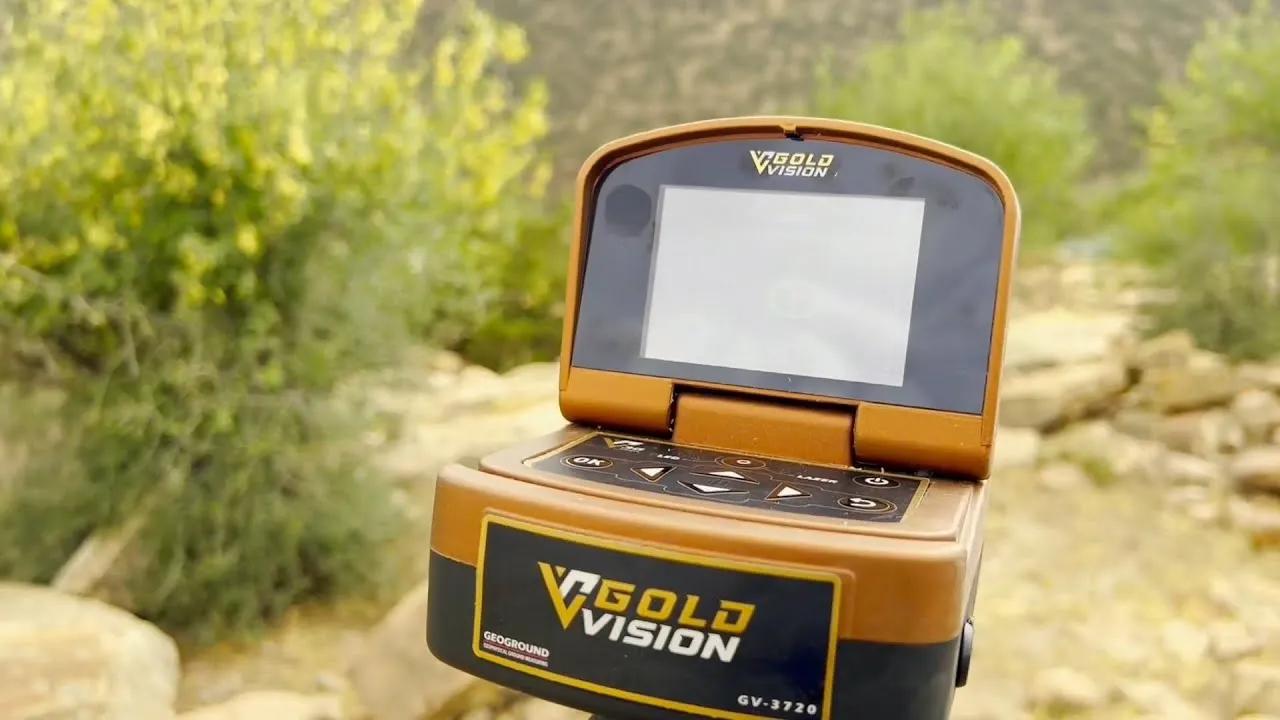
Gold Detectors: Why They Have Become Essential for Treasure Hunters
The search for gold has fascinated people for centuries. From ancient civilizations to modern-day prospectors, the dream of discovering valuable gold nuggets continues to inspire adventurers around the world. Today, however, the process is no longer based solely on luck. Thanks to advanced Gold detectors, anyone with the right equipment and knowledge can significantly improve their chances of finding hidden treasures.
Whether you are an experienced prospector, a hobbyist, or someone considering a new outdoor adventure, understanding how Gold detectors work can help you make smarter decisions. Modern technology has transformed treasure hunting into a precise and rewarding activity, allowing users to locate gold buried deep beneath the ground with impressive accuracy.
In this comprehensive guide, we'll explore what Gold detectors are, how they work, their benefits, key features, and tips for choosing the right model for your needs.
What Are Gold Detectors?
Gold detectors are specialized metal detectors specifically engineered to locate natural gold deposits, gold nuggets, coins, jewelry, and other precious metals hidden underground. Unlike standard metal detectors, Gold detectors operate using advanced detection technologies designed to distinguish gold from surrounding minerals and other metallic objects.
These devices are especially effective in mineral-rich environments where ordinary metal detectors often struggle. As a result, they have become the preferred choice for professional prospectors and recreational treasure hunters alike.
Moreover, manufacturers continue to improve detection capabilities by introducing innovative sensors, enhanced discrimination systems, and greater depth performance.
How Gold Detectors Work
Although different models use varying technologies, most Gold detectors rely on electromagnetic signals to identify metallic objects beneath the surface.
The process generally follows these steps:
1. Signal Transmission
The detector's search coil emits electromagnetic waves into the ground.
2. Metal Interaction
When these waves encounter a metallic object, including gold, the object generates its own magnetic response.
3. Signal Analysis
The detector analyzes the returning signal and determines the type, size, and approximate depth of the object.
4. User Notification
Finally, the detector alerts the user through audio tones, vibration, or visual displays, indicating the presence of a potential target.
This sophisticated process allows users to locate valuable objects with remarkable efficiency.
Why Gold Detectors Are More Effective Than Standard Metal Detectors
Many beginners assume all metal detectors perform similarly. However, Gold detectors offer several important advantages.
Superior Sensitivity
Gold nuggets are often extremely small. Specialized detectors are designed to identify tiny gold pieces that standard detectors might completely miss.
Better Mineral Handling
Gold is commonly found in highly mineralized soils. Advanced ground balancing systems help eliminate interference, resulting in more accurate detection.
Greater Detection Depth
Premium Gold detectors can locate larger gold deposits buried much deeper than entry-level metal detectors.
Improved Target Identification
Modern detectors can distinguish between gold, iron, aluminum, and other metals, reducing unnecessary digging.
These capabilities save time while increasing the likelihood of making valuable discoveries.
Different Types of Gold Detectors
Understanding the available technologies can help buyers choose the most suitable detector.
Very Low Frequency (VLF)
VLF detectors are popular among beginners because they are affordable, lightweight, and highly sensitive to small gold nuggets.
They perform exceptionally well in areas with moderate mineralization and are ideal for parks, rivers, and shallow gold fields.
Pulse Induction (PI)
Pulse Induction detectors are designed for serious prospectors.
Unlike VLF models, PI detectors excel in highly mineralized ground and offer greater depth detection. Although they are generally more expensive, they are often the preferred choice for professional gold hunters.
Multi-Frequency Detectors
Some advanced Gold detectors combine multiple frequencies simultaneously.
This technology offers excellent versatility, allowing users to search for various targets while maintaining strong gold detection performance.
Essential Features to Consider
Choosing the right Gold detectors involves evaluating several important features.
Ground Balance
Automatic or manual ground balancing minimizes interference from mineralized soil and significantly improves accuracy.
Sensitivity Adjustment
Adjustable sensitivity allows users to detect both small and large gold targets while reducing false signals.
Target Discrimination
This feature helps eliminate unwanted metals like nails, bottle caps, and scrap iron.
Waterproof Search Coil
A waterproof coil enables searching in rivers, streams, beaches, and wet environments where gold is frequently found.
Battery Life
Long-lasting rechargeable batteries provide extended search sessions without interruption.
Lightweight Design
Comfortable, ergonomic construction reduces fatigue during long treasure-hunting adventures.
Best Places to Use Gold Detectors
Gold detectors can be used in various environments where gold deposits are likely to exist.
Some of the most productive locations include:
Historic gold mining regions
Riverbeds and streams
Dry creek beds
Mountainous terrain
Desert landscapes
Beaches containing gold-bearing sands
Old homesteads and abandoned settlements
Before searching, however, always ensure you have permission to detect in the chosen location and comply with local regulations.
Tips for Successful Gold Hunting
Owning quality Gold detectors is only part of the equation. Successful prospecting also depends on proper techniques.
Research Before You Search
Study geological maps and historical mining records to identify promising locations.
Learn Your Detector
Spend time understanding your detector's settings and practice identifying different signal types.
Move Slowly
Sweeping too quickly may cause the detector to miss smaller gold targets.
Keep the Coil Close
Maintain consistent contact with the ground without lifting the search coil unnecessarily.
Dig Every Promising Signal
Even experienced users occasionally mistake valuable targets for junk metal.
Patience often rewards persistent treasure hunters.
Common Mistakes Beginners Should Avoid
Many newcomers become discouraged simply because they make avoidable mistakes.
Some common errors include:
Purchasing the cheapest detector without considering performance
Ignoring proper ground balancing
Searching in unsuitable locations
Sweeping the detector too fast
Failing to practice before visiting gold fields
Giving up after only a few unsuccessful outings
Fortunately, experience quickly improves both confidence and results.
The Growing Popularity of Gold Detecting
Gold detecting has evolved from a niche hobby into a global outdoor activity enjoyed by thousands of enthusiasts.
Several factors contribute to its increasing popularity:
Advances in detector technology
Rising gold prices
Interest in outdoor recreation
The excitement of discovering hidden treasures
Social media communities sharing successful finds
Educational resources for beginners
As technology continues to improve, Gold detectors are becoming more accurate, user-friendly, and accessible than ever before.
Investing in Quality Gold Detectors
While budget models may seem attractive initially, investing in high-quality Gold detectors often delivers better long-term value.
Premium detectors provide:
Better depth capabilities
Higher sensitivity
More accurate target identification
Greater durability
Improved user comfort
Faster recovery speeds
Enhanced software features
For serious treasure hunters, these advantages often justify the higher initial investment.
Conclusion
The world of treasure hunting continues to evolve, and Gold detectors remain at the heart of this exciting adventure. Modern detection technology has dramatically increased the chances of locating valuable gold while making the experience more enjoyable and accessible for users of all skill levels.
However, success depends on more than simply owning an advanced detector. Careful research, patience, consistent practice, and a thorough understanding of your equipment all play essential roles in finding hidden treasures. As manufacturers continue to develop smarter detection technologies with greater accuracy and deeper scanning capabilities, the future of gold prospecting looks increasingly promising. Whether you dream of uncovering your first gold nugget or expanding your prospecting expertise, investing time in learning about Gold detectors today could lead to extraordinary discoveries tomorrow.