

Best Gold Detector: The Ultimate Guide to Finding the Right Gold Detection Device
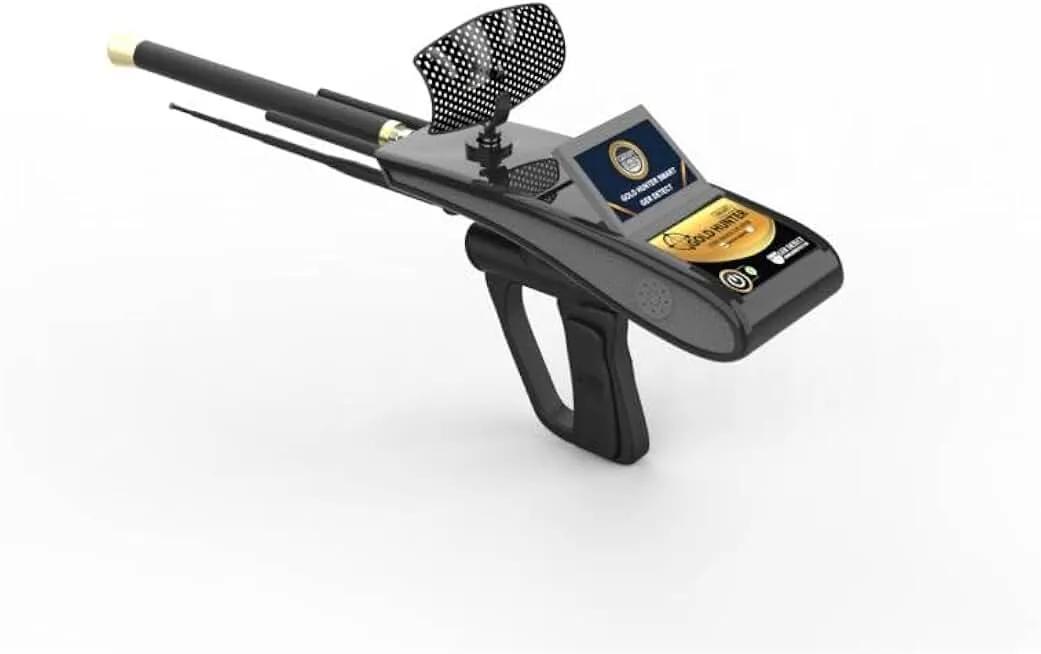
Best Gold Detector: Everything You Need to Know Before You Buy
Gold prospecting has fascinated explorers, hobbyists, and treasure hunters for centuries. Thanks to modern technology, finding buried gold is no longer a matter of luck alone. Today's advanced detectors are capable of locating even tiny gold nuggets hidden beneath challenging terrain. However, choosing the best gold detector can be overwhelming due to the wide variety of models and technologies available.
Whether you're a beginner looking for your first detector or an experienced prospector planning to upgrade your equipment, understanding the key features, technologies, and buying considerations will help you make an informed decision. This guide explains everything you need to know so you can confidently select the detector that matches your goals and budget.
What Is a Gold Detector?
A gold detector is a specialized metal detector designed specifically to locate natural gold deposits, gold nuggets, and buried gold objects. Unlike standard metal detectors that focus on coins, relics, and jewelry, gold detectors are engineered to detect low-conductivity metals like gold with greater sensitivity.
Modern gold detectors utilize sophisticated signal processing to distinguish gold from surrounding minerals, making them effective even in highly mineralized soils where ordinary detectors often struggle.
As technology continues to improve, today's detectors offer greater depth, improved accuracy, and user-friendly interfaces that make gold prospecting more accessible than ever.
Why Choosing the Best Gold Detector Matters
Selecting the best gold detector is more than simply buying the most expensive model. Different environments require different technologies, and choosing the wrong detector can lead to missed targets and frustrating searches.
A quality detector offers several advantages:
Greater detection depth
Higher sensitivity to small gold nuggets
Better performance in mineralized ground
Reduced false signals
Faster target identification
Improved durability for outdoor conditions
Ultimately, investing in the right detector saves time while increasing your chances of discovering valuable finds.
Types of Gold Detection Technology
Understanding detector technology is one of the most important steps before making a purchase.
Very Low Frequency (VLF)
VLF detectors are among the most popular choices for beginners and recreational prospectors.
These detectors operate using continuous electromagnetic waves that provide excellent sensitivity to small gold nuggets. They also offer reliable discrimination features that help users ignore unwanted metals like iron.
Advantages include:
Affordable pricing
Lightweight construction
Excellent for shallow gold
Easy operation
However, VLF detectors may struggle in highly mineralized soils.
Pulse Induction (PI)
Pulse Induction technology is designed for more serious prospectors.
Instead of using continuous frequencies, PI detectors send powerful pulses into the ground, allowing them to penetrate deeper and handle difficult soil conditions.
Benefits include:
Greater detection depth
Excellent mineralization handling
Strong performance in rocky terrain
Better for larger gold nuggets
These detectors generally cost more but provide outstanding performance in professional gold-hunting environments.
Multi-Frequency Detectors
Multi-frequency detectors combine the strengths of various frequencies simultaneously.
This technology allows users to search different types of terrain without constantly adjusting settings, making them increasingly popular among experienced detectorists.
Features to Look for in the Best Gold Detector
Before purchasing any detector, consider these important features.
High Sensitivity
Gold nuggets are often extremely small. A detector with excellent sensitivity increases the likelihood of finding tiny pieces that other detectors may overlook.
Ground Balance
Mineralized soil can produce unwanted signals.
Automatic or manual ground balancing minimizes interference and improves detection accuracy.
Waterproof Capability
Many promising gold locations include rivers, streams, and wet environments.
A waterproof detector provides greater flexibility and expands your searching opportunities.
Lightweight Design
Gold prospecting often involves walking long distances.
A lightweight detector reduces fatigue and allows for longer, more productive search sessions.
Battery Life
Long battery life ensures uninterrupted exploration, especially in remote areas where charging options are limited.
How to Choose the Best Gold Detector for Your Needs
Not every detector is suitable for every user.
Consider the following factors before making your decision.
Your Experience Level
Beginners benefit from simple controls and automatic settings.
Experienced users may prefer advanced customization options that maximize performance.
Your Budget
Gold detectors are available across a wide price range.
Entry-level models provide solid performance for recreational use, while premium detectors include cutting-edge technologies for serious prospectors.
Choosing a detector that matches your budget without sacrificing essential features often delivers the best long-term value.
Search Environment
Think about where you'll primarily search.
Different detectors perform better in:
Desert landscapes
Mountain terrain
Riverbeds
Forests
Highly mineralized ground
Matching your detector to your environment significantly improves success.
Tips for Successful Gold Prospecting
Owning the best gold detector is only part of the equation.
Successful prospectors also develop effective searching techniques.
Research Gold-Producing Areas
Historical mining districts, river systems, and old prospecting locations often provide the greatest opportunities.
Learning local geology can dramatically improve your success rate.
Search Slowly
Rushing often causes valuable targets to be missed.
Maintain slow, overlapping sweeps while keeping the search coil close to the ground.
Learn Your Detector
Spend time practicing before heading into the field.
Understanding your detector's sounds, target responses, and settings will help you recognize promising signals more accurately.
Be Patient
Gold prospecting requires persistence.
Many successful discoveries come only after hours—or even days—of careful searching.
Patience remains one of the most valuable tools any treasure hunter can possess.
Common Mistakes to Avoid
Even experienced users occasionally make avoidable errors.
Some of the most common include:
Purchasing the cheapest detector without considering performance
Ignoring ground balance adjustments
Swinging the coil too quickly
Failing to research search locations
Not practicing before serious prospecting trips
Expecting immediate results
Avoiding these mistakes can significantly improve your overall experience.
Maintaining Your Gold Detector
Proper maintenance extends the lifespan of your equipment.
After every outing:
Clean dirt and debris from the search coil.
Inspect cables for damage.
Store the detector in a dry location.
Recharge batteries as recommended.
Keep software updated if your detector supports firmware upgrades.
Routine maintenance ensures reliable performance for years to come.
Is the Best Gold Detector Worth the Investment?
For hobbyists, treasure hunters, and professional prospectors alike, investing in the right detector can make a substantial difference.
A high-quality detector not only improves accuracy but also increases confidence during every search. Better technology translates into fewer false signals, deeper detection, and more productive fieldwork.
While premium models may require a larger upfront investment, many users find that improved efficiency and better results justify the cost over time.
Final Thoughts
Finding the best gold detector involves more than comparing prices or selecting the newest model. It requires understanding your experience level, intended search locations, budget, and the technologies that best suit your needs. As gold detection technology continues to evolve, today's detectors offer remarkable capabilities that make prospecting more efficient and rewarding than ever before.
Whether your goal is discovering tiny gold nuggets in remote landscapes or pursuing a lifelong passion for treasure hunting, choosing the right detector is the foundation of success. With careful research, regular practice, and a commitment to learning your equipment, every outing becomes an opportunity for discovery. The next valuable find could be waiting just beneath the surface—raising an exciting question: as detection technology continues to advance, what hidden treasures might future prospectors uncover that today's tools have yet to reveal?