

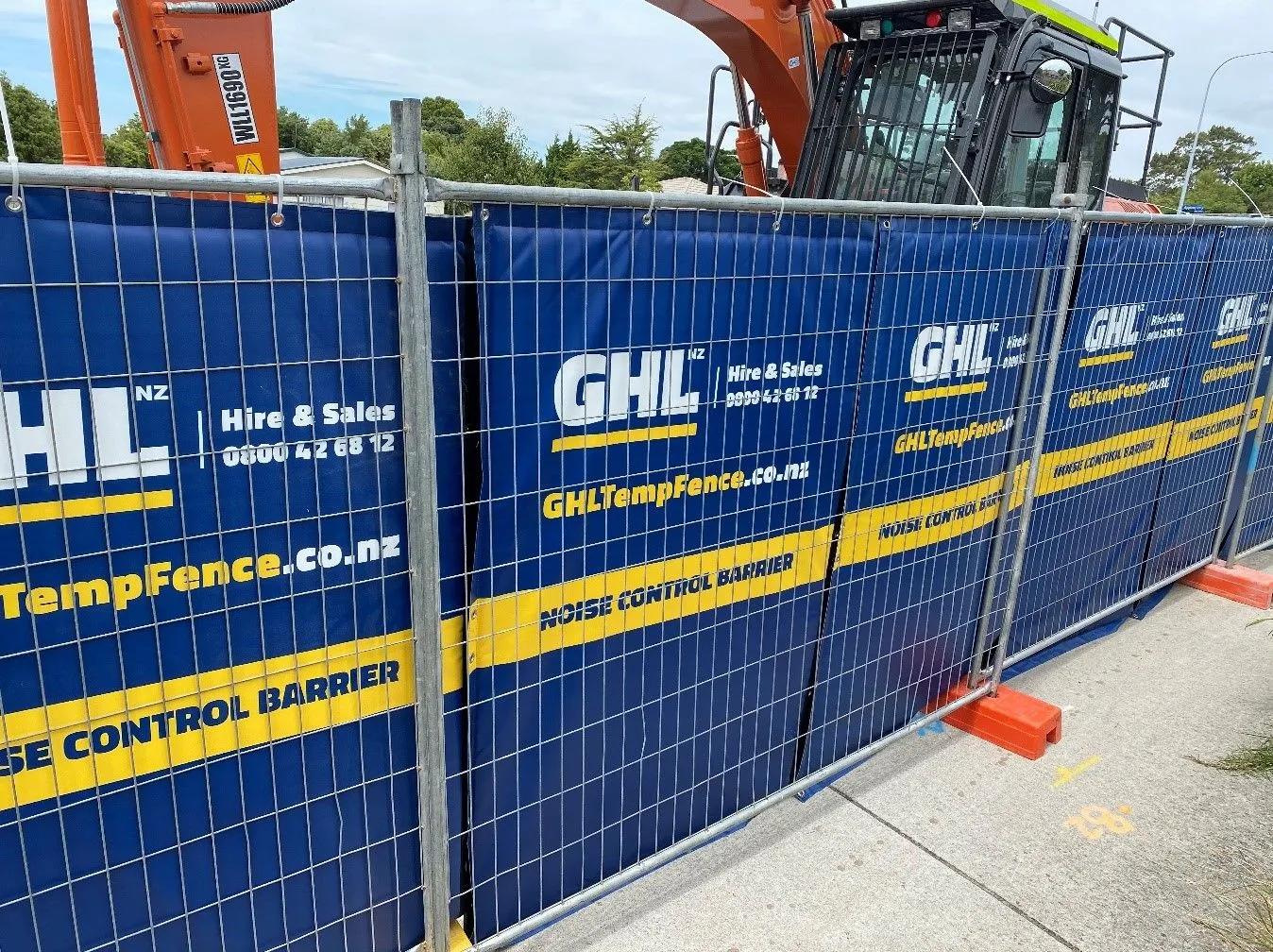
Construction projects are essential for building better roads, homes, offices, bridges, and communities. However, they can also create a major problem: noise. Heavy machinery, drilling, demolition, generators, trucks, and other equipment can disrupt nearby homes, businesses, schools, and public spaces.
That is where construction noise barrier rental becomes a practical solution. Instead of purchasing expensive permanent sound-control systems, contractors can rent temporary barriers designed to reduce noise around active jobsites. This approach offers flexibility, cost efficiency, and effective noise management throughout a project's changing phases.
Why Construction Noise Is a Growing Concern
Modern construction often takes place in busy urban and suburban environments where projects are surrounded by people. A jobsite that was once considered isolated may now be next to apartments, offices, hospitals, schools, or retail businesses.
Excessive construction noise can create several challenges. Residents may experience disrupted sleep, while businesses can struggle with customer complaints and reduced productivity. Construction companies may also face restrictions involving permitted working hours or local noise requirements.
Consequently, controlling noise is no longer simply a matter of being considerate. It can be an important part of successful project management.
What Is a Construction Noise Barrier?
A construction noise barrier is a temporary acoustic system installed between a source of construction noise and the surrounding area. Depending on its design, the barrier can absorb, block, or reduce the transmission of sound.
Temporary barriers are commonly manufactured from durable acoustic materials that can withstand outdoor conditions. They may be attached to construction fencing, temporary structures, scaffolding, or specially designed support systems.
Because projects are temporary by nature, renting these systems can make more sense than investing in permanent infrastructure.
Why Choose Construction Noise Barrier Rental?
One of the biggest advantages of rental is flexibility. Construction schedules change frequently, and noise-producing activities may only last for several weeks or months. Purchasing a permanent barrier for a short-term requirement can therefore be unnecessary.
With construction noise barrier rental, contractors can select equipment based on the project's duration and requirements. Once the noisy phase is complete, the barriers can be removed rather than stored or maintained indefinitely.
Rental can also reduce upfront expenses. Instead of purchasing, transporting, storing, repairing, and eventually disposing of acoustic equipment, contractors can pay for the period during which the barriers are actually needed.
This makes temporary noise control particularly attractive for contractors managing multiple projects with different locations and schedules.
Key Benefits for Contractors and Communities
1. Reduced Noise Exposure
The primary purpose of an acoustic barrier is to reduce the amount of construction noise reaching surrounding areas. While performance depends on the barrier's design, installation, height, material, and noise source, a properly positioned system can make a noticeable difference.
2. Greater Project Flexibility
Construction sites evolve constantly. Equipment moves, work zones change, and new phases begin. Temporary barriers can be relocated or adjusted as the site develops.
This adaptability makes rental systems especially useful for projects with changing layouts.
3. Improved Community Relations
Noise complaints can quickly become a source of tension between construction companies and nearby residents. Taking visible steps to control noise demonstrates that a contractor is actively addressing community concerns.
A well-managed noise-control strategy can help create better relationships between project teams and the communities around them.
4. Cost-Effective Noise Management
Buying acoustic equipment may involve significant capital costs, particularly when barriers are needed only temporarily. Rental provides access to professional noise-control solutions without requiring a long-term investment.
For contractors working on short-duration projects, this can make financial planning considerably easier.
Where Temporary Noise Barriers Are Useful
Construction noise barriers can be used in many environments. Road and highway projects, for example, frequently operate close to residential neighborhoods and commercial areas.
They can also be valuable during building demolition, bridge construction, excavation, concrete work, and major renovation projects.
Urban construction sites may benefit particularly strongly because buildings can reflect and amplify sound. In these environments, strategically positioned temporary barriers can become an important part of a broader noise-management plan.
Other applications include infrastructure upgrades, utility work, industrial construction, and temporary events involving heavy equipment.
How to Select the Right Rental Barrier
Not every construction site has the same acoustic requirements. Before renting a system, contractors should evaluate several factors.
First, consider the primary noise sources. Jackhammers, pile drivers, generators, saws, and heavy vehicles can produce different sound characteristics.
Next, examine the distance between the noise source and nearby sensitive areas. A residential building directly beside a work zone may require a different solution from a project located hundreds of feet away.
Barrier height and placement are also important. Ideally, the barrier should interrupt the direct path between the noise source and the people or buildings being protected. Gaps beneath, between, or around panels can reduce overall effectiveness.
Finally, contractors should consider installation requirements, weather conditions, site access, project duration, and local regulations.
Installation Matters as Much as the Material
Even a high-quality acoustic barrier may perform poorly if it is installed incorrectly. Sound can travel through openings, over barriers, or around poorly positioned sections.
For that reason, contractors should plan the barrier layout before installation begins. The system should provide continuous coverage wherever practical, with particular attention given to gaps and vulnerable areas.
It is also important to ensure that barriers are securely supported. Outdoor construction environments can expose temporary systems to strong winds, rain, equipment movement, and other demanding conditions.
Professional guidance can help ensure that the selected rental system is appropriate for the site's physical and acoustic conditions.
A Proactive Approach to Construction Noise
Noise control works best when it is planned rather than introduced after complaints begin. Contractors can identify major noise-producing activities during the planning stage and determine where temporary acoustic barriers will provide the greatest benefit.
Combining barriers with quieter equipment, equipment maintenance, scheduling strategies, and communication with nearby communities can create an even stronger noise-management program.
This proactive approach can reduce disruptions while helping construction teams maintain productive operations.
The Future of Temporary Construction Noise Control
As cities become more densely developed, construction will increasingly occur closer to people and occupied buildings. At the same time, communities are becoming more aware of environmental quality, including noise pollution.
That means temporary acoustic solutions are likely to remain an important part of modern construction planning. Construction noise barrier rental offers a flexible way to respond to these challenges without requiring contractors to commit to permanent infrastructure.
Ultimately, effective noise control is about more than simply reducing decibels. It is about finding a balance between progress and quality of life. As construction technology continues to evolve, contractors who treat noise management as an essential part of responsible project planning can build not only stronger structures, but also stronger relationships with the communities surrounding them. The question is no longer whether construction noise can be managed, but how intelligently and proactively we choose to manage it.