

Introduction
Your skin is the largest organ in your body, yet it is often one of the most overlooked when it comes to preventive healthcare. Many people pay attention to their heart, lungs, and overall fitness but forget that the skin can reveal important signs about their health. A regular skin check is one of the simplest yet most effective ways to detect changes that may indicate skin cancer, infections, or other medical conditions before they become serious.
As awareness about skin health continues to grow, more people are recognizing the value of routine examinations. Whether performed at home or by a healthcare professional, a skin check can identify suspicious moles, unusual growths, or changes in pigmentation that deserve medical attention. Understanding why skin checks matter and how to perform them can make a significant difference in protecting your long-term health.
What Is a Skin Check?
A skin check is a careful examination of your skin to identify any new, changing, or unusual spots, moles, freckles, or lesions. It can be performed in two primary ways:
Self skin check: Conducted at home by examining your body using mirrors and good lighting.
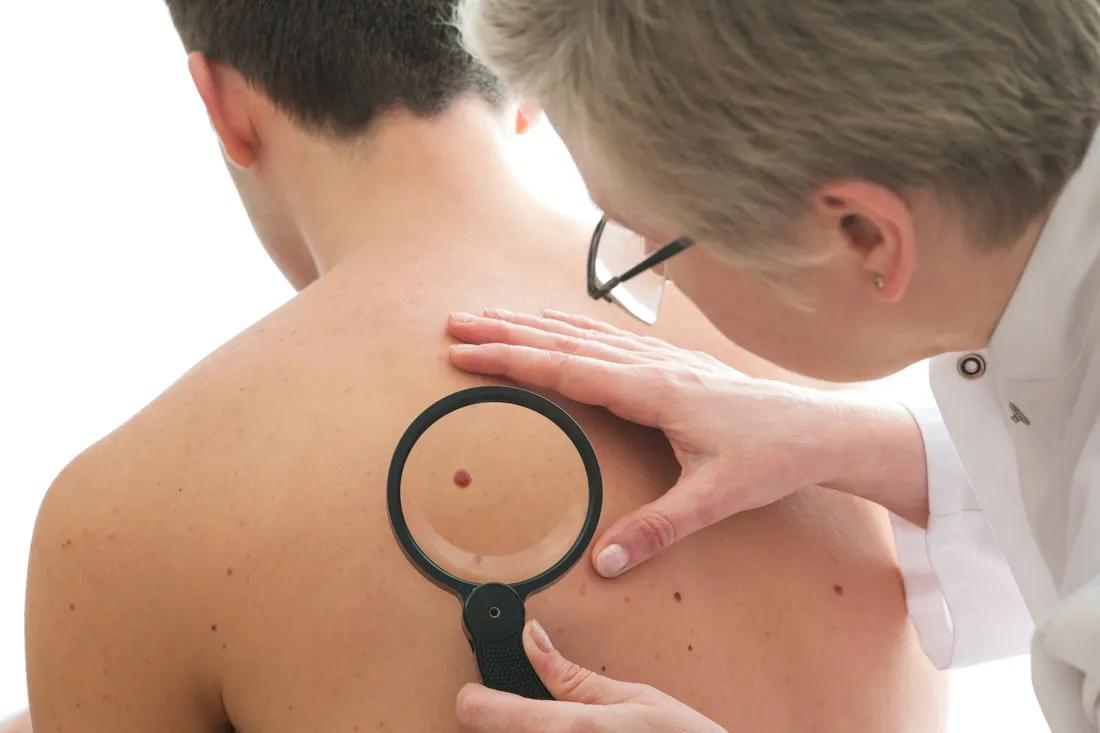
Professional skin check: Performed by a dermatologist or healthcare provider using specialized tools and clinical expertise.
Both methods complement each other. Regular self-examinations help you become familiar with your skin, while professional evaluations provide expert insight into any suspicious findings.
Why Skin Checks Are More Important Than Ever
Skin cancer is among the most common types of cancer worldwide. Fortunately, many forms of skin cancer are highly treatable when detected early. This is where a consistent skin check becomes invaluable.
Early detection offers several benefits, including:
Higher treatment success rates.
Less invasive medical procedures.
Lower healthcare costs.
Reduced risk of cancer spreading.
Greater peace of mind.
Even if you have no history of skin cancer, routine skin checks remain an essential part of preventive healthcare.
Who Should Perform Regular Skin Checks?
Although everyone benefits from regular skin monitoring, some individuals have a higher risk and should be particularly diligent.
You may have an increased risk if you:
Have fair skin that burns easily.
Spend significant time outdoors.
Frequently use tanning beds.
Have numerous moles.
Have a family history of skin cancer.
Previously experienced severe sunburns.
Are over the age of 50.
However, skin cancer does not discriminate. People of every age and skin tone can develop skin conditions, making routine skin checks important for everyone.
How to Perform a Skin Check at Home
Performing a monthly skin check requires only a few minutes and can become an easy part of your wellness routine.
Step 1: Choose Good Lighting
Stand in a well-lit room with access to a full-length mirror and a handheld mirror.
Step 2: Examine Your Entire Body
Inspect every part of your body, including:
Face
Neck
Scalp
Arms
Hands
Chest
Abdomen
Back
Legs
Feet
Between your toes
Under your nails
Don't forget areas that rarely receive sunlight.
Step 3: Look for Changes
Pay close attention to:
New moles
Existing moles changing shape
Spots that itch or bleed
Non-healing sores
Unusual patches of skin
Changes in skin color or texture
Taking photographs can help you compare changes over time.
Understanding the ABCDE Rule
One of the easiest ways to evaluate suspicious moles during a skin check is by following the ABCDE rule.
A – Asymmetry
One half of the mole does not match the other.
B – Border
Edges appear irregular, blurred, or uneven.
C – Color
Multiple colors or uneven pigmentation may indicate concern.
D – Diameter
Spots larger than approximately 6 millimeters deserve attention, although smaller ones can also be problematic.
E – Evolving
Any mole that changes in size, shape, color, or texture should be examined by a healthcare provider.
This simple guideline helps identify warning signs that might otherwise go unnoticed.
Professional Skin Checks: What to Expect
Many people hesitate to schedule a professional skin check because they don't know what to expect. Fortunately, the process is quick, comfortable, and non-invasive.
During the appointment, the healthcare provider will:
Review your medical history.
Ask about family history of skin cancer.
Examine your skin from head to toe.
Use a dermatoscope for closer inspection.
Recommend monitoring, biopsy, or removal if necessary.
Most appointments take less than thirty minutes but can provide invaluable reassurance.
Common Skin Conditions Found During a Skin Check
A skin check doesn't only identify cancer. It can also uncover various common skin conditions that benefit from early treatment.
These include:
Benign Moles
Most moles are harmless, but monitoring them helps detect future changes.
Actinic Keratosis
These rough, scaly patches result from long-term sun exposure and may develop into skin cancer if left untreated.
Basal Cell Carcinoma
The most common type of skin cancer, often appearing as a shiny bump or persistent sore.
Squamous Cell Carcinoma
This cancer may resemble a red patch or rough growth and requires prompt treatment.
Melanoma
Although less common, melanoma is the most dangerous form of skin cancer. Early detection dramatically improves survival rates.
Protecting Your Skin Between Skin Checks
Regular skin check routines work best when combined with healthy daily habits.
Protect your skin by:
Wearing broad-spectrum sunscreen every day.
Reapplying sunscreen every two hours outdoors.
Wearing protective clothing and hats.
Seeking shade during peak sunlight hours.
Avoiding tanning beds.
Staying hydrated.
Maintaining a healthy diet rich in antioxidants.
These habits reduce cumulative sun damage while supporting overall skin health.
Myths About Skin Checks
Several misconceptions prevent people from prioritizing skin examinations.
Myth 1: Only Older Adults Need Skin Checks
Reality: Skin cancer can occur at any age.
Myth 2: Dark Skin Doesn't Need Monitoring
Reality: While risk varies, people with darker skin can still develop serious skin cancers.
Myth 3: Pain Means Something Is Wrong
Reality: Many dangerous skin cancers are painless in their early stages.
Myth 4: One Professional Exam Is Enough
Reality: Regular monitoring provides the best opportunity for early detection.
Dispelling these myths encourages more people to adopt proactive skin care habits.
Making Skin Checks Part of Your Routine
The easiest way to remember a monthly skin check is to connect it with another recurring activity, such as paying monthly bills or changing your calendar.
Consider setting smartphone reminders or keeping a journal to document any changes. If you notice anything unusual, don't delay scheduling an appointment with a healthcare professional.
Consistency is far more valuable than perfection. Even brief monthly examinations can identify important changes before they become serious.
Conclusion
A routine skin check is one of the most effective investments you can make in your long-term health. It requires little time, no expensive equipment, and offers the potential to detect life-threatening conditions at their earliest and most treatable stages. Whether performed at home or by a medical professional, regular skin checks empower individuals to take an active role in protecting their health.
As medical technology and public awareness continue to advance, the future of skin care will increasingly focus on prevention rather than treatment. The simple habit of performing a regular skin check could become one of the most impactful health decisions you ever make—not only for yourself but also by encouraging friends and family to adopt the same lifesaving routine. After all, the small effort you invest today may shape a healthier tomorrow.