

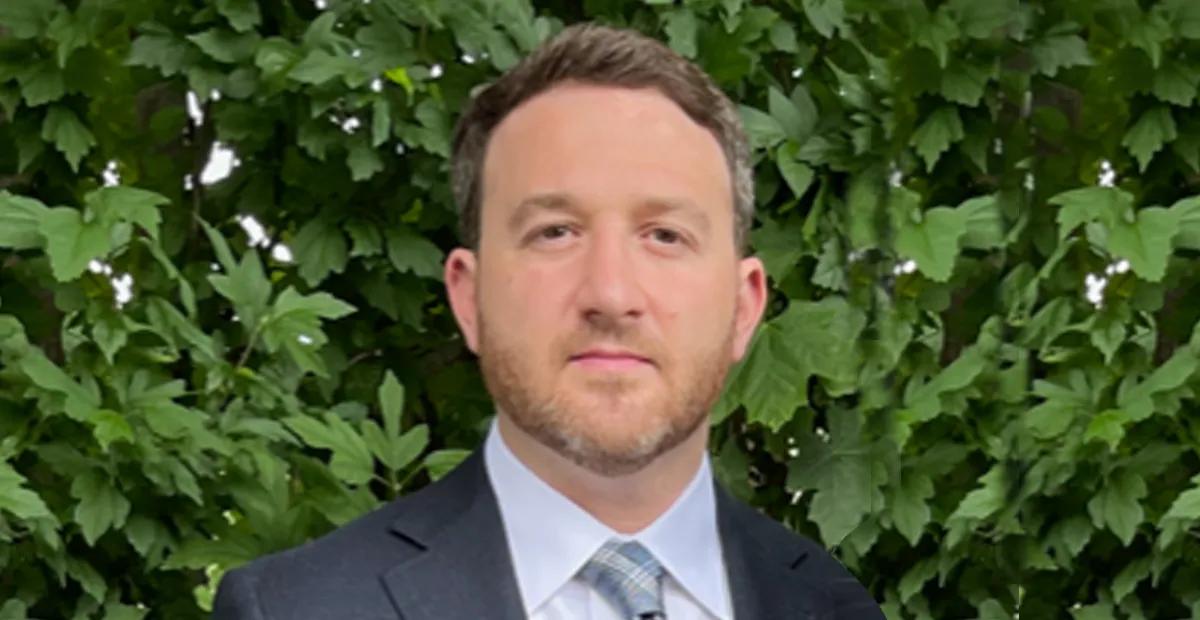
Introduction: A Name Shaping Quebec’s Rental Landscape
In the evolving world of real estate, where demand for quality housing continues to rise and tenant expectations grow more sophisticated, certain leaders stand out for their long-term vision and disciplined execution. One such figure is Ami Reiss, a real estate entrepreneur whose journey reflects persistence, strategic growth, and a deep commitment to improving residential living standards.
At the heart of his work is a clear mission: to create homes that provide a high quality of life for tenants. This guiding principle has shaped every stage of his career, from his early investments to the development of a growing multi-residential portfolio across Quebec.
This article explores how Ami Reiss built his reputation in real estate, how his company Reiss Management continues to expand, and why his approach is increasingly relevant in today’s housing market.
Early Foundations: The First Step into Multi-Residential Real Estate
Every long-term success story begins with a decisive first step, and for Ami Reiss, that step came in 2009. At a time when many investors were still cautious following global economic uncertainty, he made a bold move by acquiring his first 16-unit multi-residential building.
This initial investment was more than a financial decision—it was a learning platform. Managing a multi-unit property provided hands-on experience in tenant relations, maintenance operations, and the operational complexity of real estate ownership.
Rather than viewing challenges as setbacks, Ami Reiss treated them as opportunities to refine systems and improve efficiency. This early experience became the foundation of his later success, shaping his understanding of what it truly takes to manage residential communities at scale.
Strategic Growth: From One Building to 88 Units
After the success of his first property, Ami Reiss demonstrated something that separates long-term builders from short-term investors: strategic timing and reinvestment.
He sold his initial building and reinvested into a significantly larger opportunity—an 88-unit portfolio spread across three buildings. This transition marked a major turning point in his career.
Scaling with Purpose
Instead of expanding blindly, the growth was deliberate. Managing a larger portfolio required:
Stronger operational systems
More structured property management processes
Enhanced tenant communication frameworks
A scalable maintenance and service model
This stage helped refine Ami Reiss’s ability to think like both an investor and an operator. He was no longer just acquiring properties; he was building a system capable of sustaining long-term residential communities.
The experience also reinforced a key principle that continues to guide his approach today: sustainable real estate growth must prioritize both financial performance and tenant satisfaction.
The Formation of Reiss Management: A Defining Milestone
In 2016, Ami Reiss took a decisive step that would define the next chapter of his career—he founded Reiss Management.
This move formalized years of experience into a structured organization focused on multi-residential property investment and management. The company’s growth quickly accelerated as it expanded its portfolio and took on the management of a larger multi-residential asset base.
A Growing Portfolio Under One Vision
Under his leadership, Reiss Management evolved into more than just a property management company. It became a platform for:
Identifying undervalued or high-potential real estate assets
Improving building infrastructure and livability
Enhancing tenant experience through responsive management
Driving long-term value creation across properties
What distinguishes the company is not just the scale of its holdings, but the philosophy behind its operations.
Core Philosophy: Quality of Life as a Real Estate Strategy
At the center of Ami Reiss’s approach is a belief that is often overlooked in traditional real estate investment: tenant satisfaction is not a byproduct of success—it is a driver of success.
This philosophy translates into practical decision-making across all levels of property management.
Prioritizing Tenant Experience
In many real estate portfolios, the focus is primarily financial—rental yields, occupancy rates, and asset appreciation. While these factors remain important, Ami Reiss places equal emphasis on:
Safe and well-maintained living environments
Prompt and effective maintenance response systems
Long-term livability of buildings
Respectful and transparent tenant communication
This approach creates a feedback loop: better living conditions lead to longer tenant retention, which in turn strengthens portfolio stability.
Building Trust Through Consistency
Consistency is another cornerstone of his management philosophy. Tenants are more likely to stay in environments where expectations are clear and service is reliable. Over time, this consistency builds trust—not only with tenants but also with partners and stakeholders.
Real Estate in Quebec: A Market of Opportunity and Responsibility
Operating across Quebec, Ami Reiss works within one of Canada’s most dynamic rental markets. Like many regions, Quebec faces ongoing challenges such as housing demand pressures, aging infrastructure, and affordability concerns.
In this environment, responsible property management plays a critical role. Investors and developers are not just asset holders—they are contributors to the broader housing ecosystem.
Ami Reiss’s approach reflects this reality. By focusing on improving existing housing stock and ensuring long-term livability, Reiss Management positions itself as part of the solution to housing quality challenges rather than simply a participant in market cycles.
Leadership Style: Practical, Disciplined, and Forward-Looking
Leadership in real estate requires balancing vision with execution. Ami Reiss’s leadership style can be understood through three key traits:
1. Practical Decision-Making
Rather than chasing trends, decisions are grounded in operational reality and long-term feasibility.
2. Disciplined Growth Strategy
Expansion is approached methodically, ensuring that systems and teams can support increased scale without compromising quality.
3. Long-Term Thinking
Each property is viewed not as a short-term asset flip but as part of a longer residential ecosystem.
This mindset has allowed Reiss Management to grow steadily without losing sight of its core mission.
The Human Side of Real Estate Investment
While real estate is often discussed in financial terms, Ami Reiss’s approach highlights its human dimension. Behind every unit is a household, and behind every building is a community.
This perspective shifts the role of property management from transactional oversight to community stewardship. It also reframes success—not just in terms of returns, but in the lived experiences of tenants.
By focusing on livability, maintenance, and respect for residents, Reiss Management reinforces the idea that real estate is ultimately about people, not just properties.
Looking Ahead: The Future of Reiss Management
As housing markets continue to evolve, the role of experienced, tenant-focused management companies is likely to become even more important. Rising expectations, regulatory changes, and urban density challenges will require adaptable and forward-thinking leadership.
For Ami Reiss and Reiss Management, the future likely holds continued portfolio expansion, increased operational sophistication, and a deeper integration of tenant-centered strategies.
However, the core principle is expected to remain unchanged: improving quality of life through well-managed residential properties.
Conclusion: Beyond Buildings, Toward Better Living
The story of Ami Reiss is not simply one of real estate growth—it is a story about redefining what property ownership and management can achieve when guided by a clear purpose.
From a 16-unit building in 2009 to a growing multi-residential portfolio managed through Reiss Management, his journey reflects the impact of disciplined growth and tenant-focused strategy.
As housing markets face new pressures and expectations continue to rise, his approach raises an important question: what if the future of real estate is not just about building more, but about building better lives within what already exists?
In answering that question, Ami Reiss’s work offers both a model and a challenge for the next generation of real estate leaders.