

Wabi-Sabi: Redefining Modern Interiors Through Imperfect Beauty and Acoustic Harmony
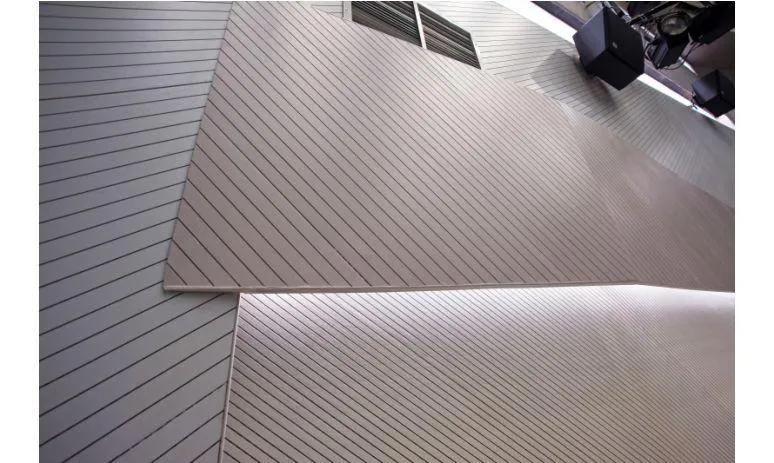
In a world obsessed with perfection, symmetry, and polished finishes, Wabi-Sabi emerges as a quiet yet powerful counter-movement. Rooted in Japanese philosophy, Wabi-Sabi celebrates imperfection, impermanence, and authenticity. Today, this timeless aesthetic is reshaping modern interiors—especially through minimalist wall art that blends organic beauty with functional benefits like acoustic comfort. From serene homes to thoughtfully designed commercial spaces, Wabi-Sabi-inspired wall art is redefining how we experience calm, texture, and sound in our environments.
This article explores the essence of Wabi-Sabi, its relevance in contemporary design, and how curated minimalist wall art infused with abstract textures and subtle imperfections is transforming modern spaces—both visually and acoustically.
Understanding Wabi-Sabi: The Beauty of Imperfection
At its core, Wabi-Sabi is a philosophy that finds beauty in the incomplete and the imperfect. Unlike Western ideals that often emphasize flawlessness, Wabi-Sabi values natural aging, asymmetry, and raw textures. Cracks, uneven surfaces, muted tones, and organic forms are not defects—they are expressions of authenticity.
In interior design, this translates into spaces that feel grounded, calm, and deeply human. Instead of overwhelming décor, Wabi-Sabi encourages restraint. Each element serves a purpose, both aesthetically and emotionally, creating environments that invite mindfulness and presence.
Why Wabi-Sabi Resonates in Modern Living
As modern life becomes faster and more digitally saturated, there is a growing desire for spaces that restore balance. This is where Wabi-Sabi-inspired interiors resonate so deeply. They offer a visual and sensory pause—an antidote to noise, clutter, and constant stimulation.
Minimalist Wabi-Sabi wall art aligns perfectly with this shift. Its subtle textures and earthy materials soften hard architectural lines, making rooms feel more intimate and serene. Moreover, the imperfections inherent in Wabi-Sabi designs create a sense of warmth that polished, mass-produced décor often lacks.
Wabi-Sabi Wall Art: Where Art Meets Atmosphere
Wabi-Sabi wall art is not about bold statements or decorative excess. Instead, it focuses on quiet impact. Abstract forms, layered textures, and neutral palettes—think off-whites, warm greys, clay tones, and stone hues—work together to create visual depth without distraction.
What sets curated Wabi-Sabi wall art apart is its ability to blend seamlessly into modern spaces while still commanding attention. Each piece tells a story through its irregularities, inviting viewers to slow down and engage more thoughtfully with their surroundings.
The Acoustic Advantage of Textured Wabi-Sabi Art
Beyond aesthetics, Wabi-Sabi-inspired wall art offers a significant yet often overlooked benefit: acoustic enhancement. Modern interiors frequently rely on hard surfaces like concrete, glass, and metal, which reflect sound and create echo-prone environments.
Textured wall art—especially pieces designed with acoustic performance in mind—helps absorb sound waves, reducing noise and improving overall sound quality. The uneven, organic surfaces characteristic of Wabi-Sabi are particularly effective at diffusing sound naturally.
As a result, these artworks don’t just look calming—they sound calming too. This makes them ideal for living rooms, bedrooms, offices, studios, and hospitality spaces where acoustic comfort is essential.
Minimalism and Wabi-Sabi: A Natural Partnership
While minimalism focuses on simplicity and function, Wabi-Sabi adds soul to minimalist spaces. Where minimalism can sometimes feel stark or cold, Wabi-Sabi introduces warmth through texture, materiality, and imperfection.
Curated collections of Wabi-Sabi wall art strike this balance beautifully. They maintain clean lines and uncluttered compositions while offering tactile richness and emotional depth. The result is an environment that feels intentional, peaceful, and deeply livable.
Integrating Wabi-Sabi Wall Art Into Modern Spaces
Incorporating Wabi-Sabi wall art into your space doesn’t require a full design overhaul. In fact, its understated nature makes it incredibly versatile.
Residential Spaces: In homes, Wabi-Sabi wall art enhances relaxation and mindfulness. A single textured piece can anchor a living room, while softer compositions work beautifully in bedrooms or meditation areas.
Workspaces: Offices benefit from both the calming visuals and acoustic improvements, supporting focus and productivity.
Commercial Interiors: Hotels, galleries, and wellness spaces use Wabi-Sabi aesthetics to create memorable, sensory-rich environments that feel authentic and welcoming.
The key is intentional placement—allowing each piece room to breathe and be appreciated.
Sustainability and the Wabi-Sabi Ethos
Sustainability is deeply aligned with the philosophy of Wabi-Sabi. By valuing natural materials, longevity, and craftsmanship, Wabi-Sabi-inspired wall art encourages mindful consumption. These pieces are not trend-driven décor items meant to be replaced; they are enduring works designed to age gracefully over time.
In an era where environmental responsibility matters more than ever, choosing Wabi-Sabi wall art reflects a conscious design choice—one that honors both the planet and the human need for calm, meaningful spaces.
The Emotional Impact of Wabi-Sabi Design
Perhaps the most powerful aspect of Wabi-Sabi wall art is its emotional resonance. The subtle imperfections remind us that beauty doesn’t need to be flawless. This perspective can be deeply comforting, especially in high-pressure modern lifestyles.
By surrounding ourselves with Wabi-Sabi-inspired art, we create environments that support emotional well-being—spaces that feel honest, grounding, and restorative.
Looking Ahead: The Future of Wabi-Sabi in Interior Design
As design continues to evolve, Wabi-Sabi is poised to play an even greater role in shaping interiors that prioritize wellness, sustainability, and authenticity. The integration of acoustic functionality into minimalist Wabi-Sabi wall art represents a forward-thinking approach—one that recognizes that great design must engage all the senses.
Looking ahead, the challenge and opportunity lie in designing spaces that don’t just look beautiful, but also feel and sound harmonious. Wabi-Sabi offers a compelling blueprint for this future—one where imperfection becomes a strength, and calm becomes a design standard rather than a luxury.
In embracing Wabi-Sabi, we are not just choosing an aesthetic. We are choosing a more thoughtful, balanced way of living—one textured wall at a time.