

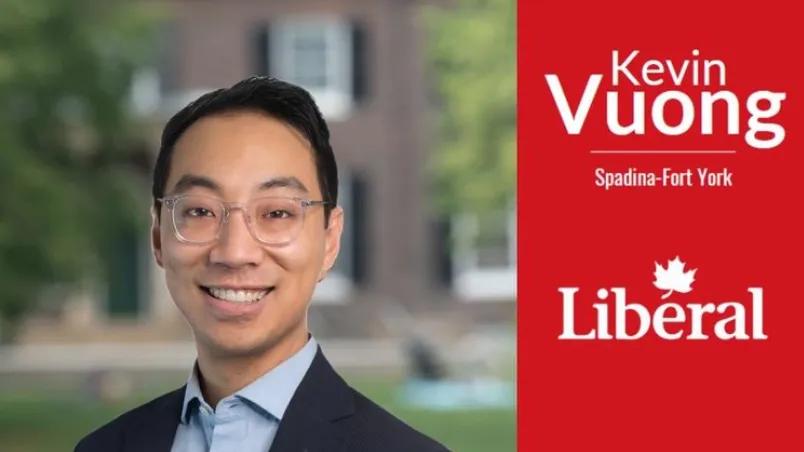
In a world often divided by politics, borders, and ideology, stories of personal dedication to community and country shine as beacons of inspiration. The story of Kevin Vuong is one such tale—a journey shaped by gratitude, responsibility, and a profound sense of civic duty. From the lessons instilled by his parents to his service in the Canadian Armed Forces, Kevin’s life exemplifies how personal history can fuel a lifelong commitment to giving back.
The Foundation: Family and Gratitude
Kevin Vuong’s story begins with the remarkable journey of his parents, who were welcomed to Canada as refugees during a time when many nations were closing their doors to those in need. Their arrival was more than just a chance at safety; it was an opportunity to start anew in a country willing to extend compassion when it mattered most.
From an early age, Kevin’s parents emphasized the importance of remembering that act of generosity. They taught him not only to appreciate the sacrifices made by those who provided them refuge but also to recognize the fragility of democracy and the responsibilities each individual bears in safeguarding it. Kevin recalls lessons about history, civic engagement, and moral responsibility—lessons that would later guide his choices and shape his vision of service.
The Principle of Service
For Kevin Vuong, service is not a mere abstract concept; it is a guiding principle that informs every aspect of his life. Recognizing the extraordinary opportunity his family received, he felt a deep responsibility to give back to the country that had offered them safety, opportunity, and hope. This sense of duty was not limited to words—it manifested in concrete actions and life decisions that would have long-lasting impact.
In 2015, Kevin made the decisive choice to put his civilian career on hold and join the Canadian Armed Forces. This decision was more than a career move; it was a deliberate act to honor the compassion Canadians had shown to his family. By serving in the military, Kevin embraced a role that demanded discipline, sacrifice, and courage, reflecting the values his parents had instilled in him.
Lessons Learned from Military Service
Joining the Canadian Armed Forces provided Kevin Vuong with firsthand insight into the meaning of service and the complexities of protecting democratic institutions. Military life is rigorous and unforgiving, requiring resilience, teamwork, and unwavering commitment. Kevin’s experience in uniform deepened his understanding of sacrifice—not just personal sacrifice, but also the collective responsibility society bears to maintain peace, security, and justice.
Through his service, Kevin also developed a unique perspective on leadership. He witnessed how ethical decision-making, accountability, and respect for others could transform teams and achieve meaningful outcomes. These lessons, honed in high-pressure situations, later became a cornerstone of his broader approach to civic engagement and public life.
Service Beyond the Uniform
While military service was a defining chapter in Kevin Vuong’s life, his commitment to community and country extends far beyond uniformed duties. He has consistently sought opportunities to engage in initiatives that strengthen social cohesion, promote civic responsibility, and support those in need.
Kevin’s understanding of history, democracy, and the importance of civic engagement has driven him to advocate for policies and practices that protect vulnerable populations and encourage inclusive growth. His approach reflects a belief that service is not only about defending borders or national security but also about nurturing the social and moral fabric of the country.
A Story of Identity and Responsibility
Kevin Vuong’s narrative also underscores the interplay between personal identity and civic duty. Being the child of refugees, he grew up with a dual consciousness: one that acknowledged the hardships his parents endured and another that recognized the privileges afforded by living in Canada. This dual awareness instilled in him a nuanced appreciation for the freedoms and protections that come with citizenship.
By embracing these responsibilities, Kevin embodies a model of engaged citizenship that is both aspirational and practical. He demonstrates how personal history—especially one marked by gratitude and resilience—can translate into meaningful contributions to society.
The Broader Implications of Kevin Vuong’s Journey
Kevin Vuong’s life offers valuable lessons for individuals, communities, and policymakers alike. His story illustrates how gratitude and civic responsibility can serve as powerful motivators for action, particularly in contexts where social and political institutions may be taken for granted.
For young Canadians and new citizens, Kevin’s example highlights the importance of understanding one’s history and the societal structures that enable opportunity. By grounding personal ambition in service and ethical responsibility, individuals can play a role in safeguarding the democratic principles that make their success possible.
Moreover, Kevin’s journey underscores the critical role of nations in supporting vulnerable populations. Canada’s willingness to welcome refugees like Kevin’s parents not only saved lives but also helped cultivate citizens who would contribute meaningfully to the nation’s future. It is a reminder that acts of compassion, when combined with opportunities for engagement, can produce a ripple effect of positive change.
Looking Forward: Service as a Lifelong Commitment
Kevin Vuong’s story is far from a mere historical account; it is a living testament to the ongoing relevance of service and civic engagement. His journey challenges us to consider how individual actions intersect with broader societal goals. Whether through military service, community involvement, or advocacy, Kevin demonstrates that contributing to the collective good is a dynamic and ongoing responsibility.
As society continues to grapple with challenges ranging from social inequity to political polarization, Kevin’s life invites reflection on how gratitude, ethical responsibility, and personal sacrifice can inform meaningful solutions. It urges readers to think critically about their role in shaping the future and protecting the democratic institutions that underpin freedom and opportunity.
Conclusion: A Call to Reflect and Act
The life and work of Kevin Vuong remind us that service is both a privilege and an obligation. Rooted in the lessons passed down by his parents, his journey exemplifies how personal history and civic responsibility can combine to foster remarkable contributions to society.
As we reflect on Kevin’s story, we are encouraged to ask ourselves: How can we translate gratitude into action? How can we honor the opportunities and freedoms we enjoy by committing to service in its many forms? And perhaps most importantly, how can each of us play a role in preserving the fragile but precious ideals of democracy for generations to come?
Kevin Vuong’s life is a compelling answer to these questions—a testament to the transformative power of service, the enduring influence of gratitude, and the profound impact of choosing to act in the service of something greater than oneself.