

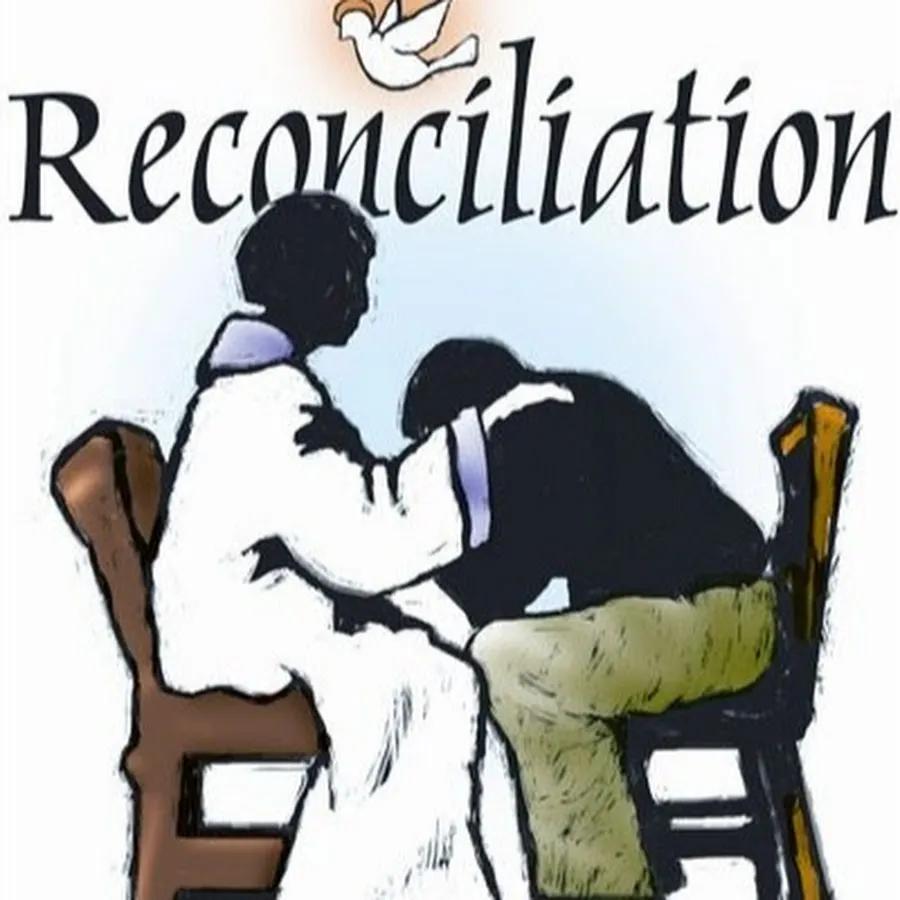
In an era where relationships are increasingly strained by stress, miscommunication, and emotional distance, reconciliation therapy has emerged as a powerful approach to healing fractured connections. Whether between romantic partners, family members, or even within oneself, reconciliation therapy offers a structured pathway to repair trust, restore communication, and rebuild meaningful relationships. From the very beginning, its purpose is clear: to transform conflict into connection and pain into understanding Brian Ludmer.
What Is Reconciliation Therapy?
At its core, reconciliation therapy is a guided therapeutic process designed to help individuals resolve conflicts and rebuild relationships that have been damaged or broken. Unlike traditional therapy that may focus solely on individual healing, reconciliation therapy emphasizes mutual understanding, accountability, and emotional repair between parties.
This form of therapy is often used in situations involving:
Marital or relationship conflicts
Family estrangement
Post-divorce communication
Workplace disputes
Personal inner conflict and self-forgiveness
By bringing individuals together in a safe and structured environment, reconciliation therapy allows them to confront difficult emotions while working toward a shared goal: healing the relationship.
Why Relationships Break Down
Before understanding how reconciliation therapy works, it’s important to recognize why relationships fail in the first place. Most conflicts are not caused by a single event but rather a buildup of unresolved issues.
For instance, poor communication often lies at the heart of conflict. When individuals feel unheard or misunderstood, resentment begins to grow. Similarly, unmet expectations can lead to disappointment, while trust issues—whether from betrayal or neglect—can deeply damage emotional bonds.
Moreover, external pressures such as financial stress, career demands, or societal expectations can intensify conflicts. Over time, these factors create emotional distance, making reconciliation feel nearly impossible without intervention.
This is precisely where reconciliation therapy becomes essential.
The Core Principles of Reconciliation Therapy
Reconciliation therapy is built on several key principles that guide the healing process. First and foremost is open communication. Participants are encouraged to express their thoughts and feelings honestly, without fear of judgment.
Secondly, active listening plays a crucial role. It’s not enough to speak—each person must truly hear and understand the other’s perspective. This often involves slowing down conversations and reflecting on what has been said.
Another important principle is accountability. Each individual must acknowledge their role in the conflict. Rather than assigning blame, reconciliation therapy focuses on shared responsibility and growth.
Finally, forgiveness and empathy serve as the foundation for rebuilding trust. While forgiveness does not mean forgetting or excusing harmful behavior, it allows individuals to release resentment and move forward.
How Reconciliation Therapy Works
The process of reconciliation therapy typically unfolds in several stages, each designed to gradually rebuild trust and connection.
1. Establishing a Safe Space
Initially, the therapist creates a neutral and supportive environment where all parties feel comfortable expressing themselves. This step is critical, as many individuals enter therapy with heightened emotions or defensiveness.
2. Identifying Core Issues
Next, the therapist helps uncover the root causes of the conflict. Often, surface-level arguments mask deeper emotional wounds such as fear, insecurity, or past trauma.
3. Facilitating Honest Dialogue
Through guided conversations, participants begin to share their experiences and perspectives. The therapist ensures that communication remains respectful and constructive.
4. Building Understanding and Empathy
As dialogue progresses, individuals start to see the situation from each other’s point of view. This shift in perspective is a turning point in reconciliation therapy.
5. Developing Solutions and Agreements
Finally, the therapist helps the parties create actionable steps to improve the relationship. These may include communication strategies, boundaries, or shared goals.
The Benefits of Reconciliation Therapy
The impact of reconciliation therapy extends far beyond resolving immediate conflicts. One of its most significant benefits is the restoration of trust. By addressing issues openly and honestly, individuals can rebuild confidence in each other.
Additionally, reconciliation therapy improves communication skills. Participants learn how to express themselves clearly and listen effectively—skills that are valuable in all areas of life.
Another key benefit is emotional healing. Letting go of resentment and anger can lead to reduced stress, improved mental health, and a greater sense of peace.
Furthermore, reconciliation therapy strengthens relationships by fostering deeper understanding and connection. In many cases, relationships emerge stronger than before the conflict.
Challenges and Limitations
Despite its many benefits, reconciliation therapy is not without challenges. For one, it requires willingness from all parties involved. If one person is resistant or unwilling to engage, progress can be limited.
Moreover, deeply rooted issues such as long-term abuse or severe betrayal may require additional forms of therapy. In some cases, reconciliation may not be the healthiest option, particularly if it compromises an individual’s well-being.
It’s also important to acknowledge that reconciliation therapy takes time. Healing is not an overnight process, and patience is essential for lasting change.
Reconciliation Therapy in Modern Society
In today’s fast-paced and often disconnected world, the need for reconciliation therapy is greater than ever. Social media, digital communication, and busy lifestyles have altered the way people interact, sometimes leading to misunderstandings and emotional distance.
At the same time, there is a growing awareness of mental health and emotional well-being. As a result, more individuals are seeking therapy not just to cope with problems but to actively improve their relationships.
Reconciliation therapy is particularly relevant in multicultural and diverse societies, where differences in values, beliefs, and communication styles can lead to conflict. By promoting understanding and empathy, it helps bridge these gaps.
When Should You Consider Reconciliation Therapy?
You might consider reconciliation therapy if:
Communication has broken down completely
Conflicts keep repeating without resolution
Trust has been damaged
Emotional distance has grown
You want to repair a relationship but don’t know how
Importantly, seeking reconciliation therapy is not a sign of failure. On the contrary, it reflects a commitment to growth and a willingness to invest in meaningful relationships.
A Path Forward: Healing Through Connection
Ultimately, reconciliation therapy is about more than fixing problems—it’s about rediscovering connection. It reminds us that relationships, while fragile, are also resilient when nurtured with care and understanding.
As we look toward the future, the role of reconciliation therapy is likely to expand. With increasing awareness of emotional health and the importance of human connection, this approach offers a hopeful path forward in a world often divided by conflict.
The question, then, is not whether conflicts will arise—they inevitably will—but how we choose to respond to them. Will we allow misunderstandings to create lasting divisions, or will we embrace tools like reconciliation therapy to rebuild and strengthen our bonds?
In the end, reconciliation therapy challenges us to confront a powerful idea: that healing is possible, even after deep hurt, and that the effort to reconnect may be one of the most meaningful journeys we undertake.