

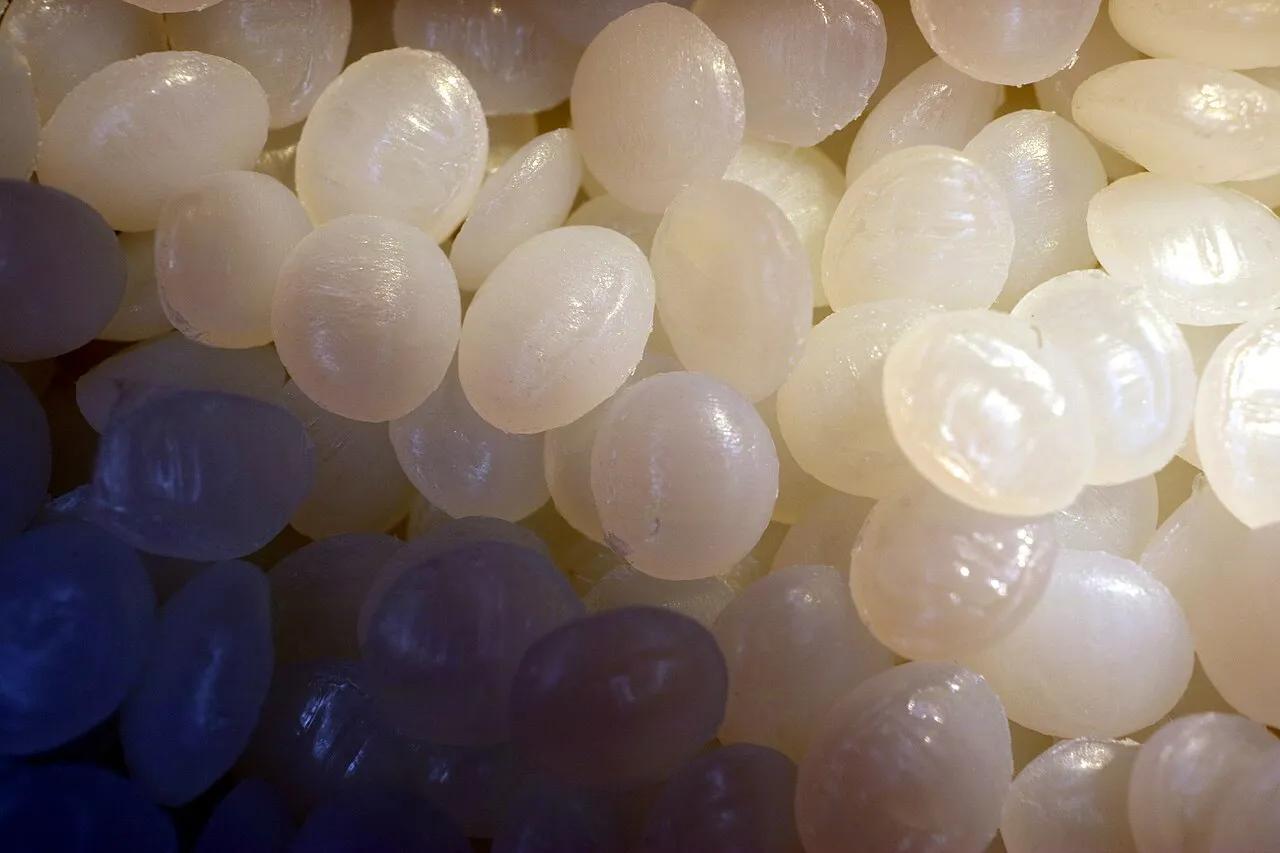
In a world increasingly focused on sustainability, innovation, and advanced medical technologies, polycaprolactone has emerged as one of the most promising materials of the modern era. From biomedical engineering and drug delivery systems to eco-friendly manufacturing and 3D printing, polycaprolactone is quietly transforming industries around the globe.
What makes this biodegradable polymer so important? Why are scientists, engineers, and manufacturers investing heavily in its development? And how could polycaprolactone redefine the future of sustainable materials?
This article explores everything you need to know about polycaprolactone, including its properties, applications, benefits, challenges, and future potential.
What Is Polycaprolactone?
Polycaprolactone (commonly abbreviated as PCL) is a biodegradable polyester known for its exceptional flexibility, low melting point, and compatibility with biological systems. It is synthesized through the ring-opening polymerization of caprolactone, resulting in a semi-crystalline polymer that can degrade naturally over time.
Unlike many traditional plastics that persist in the environment for centuries, polycaprolactone breaks down gradually through hydrolysis. This makes it particularly attractive for applications where temporary functionality is required, such as medical implants or environmentally friendly packaging.
Because of its unique characteristics, polycaprolactone has become a critical material in both scientific research and commercial production.
The Key Properties of Polycaprolactone
One of the main reasons polycaprolactone has gained widespread attention is its remarkable combination of physical and chemical properties.
Biodegradability
Perhaps the most celebrated feature of polycaprolactone is its biodegradability. Over time, microorganisms and environmental conditions can break the material down into harmless compounds. This makes it a valuable alternative to traditional petroleum-based plastics.
Biocompatibility
Polycaprolactone is highly biocompatible, meaning it interacts safely with living tissues. Consequently, it is widely used in medical applications such as tissue engineering and drug delivery systems.
Flexibility and Durability
Despite being biodegradable, polycaprolactone remains flexible and mechanically strong. This balance allows it to maintain structural integrity during use while still degrading when its purpose is complete.
Low Melting Point
Polycaprolactone has a relatively low melting temperature, typically around 60°C. As a result, it is easy to process and ideal for technologies like 3D printing and mold fabrication.
Excellent Blend Compatibility
Another advantage is its ability to blend with other polymers. Researchers often combine polycaprolactone with natural or synthetic materials to create advanced composites with enhanced properties.
Polycaprolactone in Medical Applications
The medical industry has embraced polycaprolactone more enthusiastically than perhaps any other sector. Its biodegradability and compatibility with human tissue make it ideal for innovative healthcare solutions.
Tissue Engineering
One of the most exciting uses of polycaprolactone is in tissue engineering. Scientists use PCL scaffolds to support the growth of new tissues and organs. These scaffolds provide temporary structural support while cells regenerate naturally.
Over time, the scaffold degrades, leaving behind newly formed tissue. This breakthrough approach could revolutionize regenerative medicine and reduce dependence on organ transplants.
Drug Delivery Systems
Polycaprolactone is also used to create controlled drug delivery systems. Since it degrades slowly, medications can be released steadily over an extended period.
This controlled release mechanism improves treatment effectiveness and minimizes side effects. As a result, researchers are exploring polycaprolactone-based systems for cancer therapy, wound healing, and chronic disease management.
Sutures and Implants
Biodegradable surgical sutures made from polycaprolactone eliminate the need for removal procedures. Similarly, temporary implants can dissolve naturally after fulfilling their function, reducing patient discomfort and medical complications.
The Growing Role of Polycaprolactone in 3D Printing
The rise of additive manufacturing has created new opportunities for polycaprolactone. Because it melts at relatively low temperatures, PCL is ideal for 3D printing applications.
Affordable and Easy to Use
Compared to some high-performance polymers, polycaprolactone is easier to process and more affordable. This accessibility has made it popular in educational settings, research laboratories, and rapid prototyping environments.
Medical 3D Printing
In healthcare, 3D-printed polycaprolactone structures are being used to produce customized implants, prosthetics, and tissue scaffolds tailored to individual patients.
This personalized approach to medicine could dramatically improve treatment outcomes while reducing manufacturing waste.
Artistic and Creative Applications
Interestingly, polycaprolactone has also found a place in art and design. Thermoplastic modeling materials based on PCL are widely used for crafting, sculpting, and prototyping because they become moldable when heated.
Environmental Benefits of Polycaprolactone
As concerns about plastic pollution intensify, polycaprolactone offers a glimpse into a more sustainable future.
Reducing Plastic Waste
Traditional plastics accumulate in landfills and oceans, causing severe ecological damage. Polycaprolactone, however, can degrade naturally under appropriate conditions, helping reduce long-term environmental impact.
Supporting Circular Economies
Because polycaprolactone can be integrated into biodegradable product systems, it aligns well with circular economy initiatives focused on minimizing waste and maximizing resource efficiency.
Sustainable Innovation
Researchers are actively exploring renewable production methods for polycaprolactone, including bio-based feedstocks. If successful, this could further decrease reliance on fossil fuels and lower carbon emissions.
Challenges and Limitations of Polycaprolactone
Although polycaprolactone offers numerous advantages, it is not without challenges.
Slow Degradation Rate
While slow degradation is beneficial for medical applications, it can be less desirable in situations requiring rapid compostability. Depending on environmental conditions, PCL may take months or even years to fully degrade.
Cost Considerations
Compared to mass-produced conventional plastics, polycaprolactone remains relatively expensive. Large-scale adoption may depend on advances in manufacturing efficiency and material optimization.
Mechanical Limitations
Although flexible and durable, polycaprolactone may not always provide the strength required for heavy-duty industrial applications. Consequently, it is often blended with other materials to improve performance.
Future Innovations in Polycaprolactone Research
The future of polycaprolactone looks incredibly promising. Scientists worldwide are investigating new ways to expand its capabilities and applications.
Smart Biomaterials
Researchers are developing “smart” polycaprolactone-based materials that can respond to temperature, pH, or biological signals. These materials could transform drug delivery, wound care, and regenerative medicine.
Advanced Nanotechnology
Nanocomposites involving polycaprolactone are opening new frontiers in electronics, coatings, and biomedical devices. By incorporating nanoparticles, scientists can enhance conductivity, strength, and functionality.
Sustainable Packaging Solutions
As global pressure mounts to replace single-use plastics, polycaprolactone may become a cornerstone of biodegradable packaging technologies. Companies seeking environmentally responsible alternatives are increasingly turning their attention toward PCL-based materials.
Why Polycaprolactone Matters More Than Ever
The growing interest in polycaprolactone reflects a broader shift toward sustainable and human-centered innovation. Industries are no longer focused solely on performance and profit; they are also considering environmental impact, long-term sustainability, and quality of life.
Polycaprolactone sits at the intersection of these priorities. It combines scientific sophistication with practical functionality, offering solutions to some of today’s most pressing challenges.
From life-saving medical devices to eco-conscious manufacturing, the potential applications seem almost limitless.
Conclusion
Polycaprolactone is far more than just another biodegradable polymer. It represents a powerful example of how science and sustainability can work together to create transformative solutions.
As research continues, polycaprolactone could play a central role in reshaping healthcare, manufacturing, environmental protection, and advanced technology. While challenges such as cost and scalability remain, ongoing innovation is steadily unlocking new possibilities.
The real question is no longer whether polycaprolactone will influence the future—it already is. The more important question is how quickly industries, governments, and consumers will embrace materials like polycaprolactone in the global pursuit of a cleaner, smarter, and more sustainable world.