

PLLA Polymer: The Biodegradable Material Shaping the Future of Sustainable Innovation
Introduction: Why PLLA Polymer Matters Today
In a world increasingly driven by sustainability, innovation in materials science has become more important than ever. One material standing at the center of this transformation is the PLLA polymer (Poly-L-lactic acid). From medical implants to eco-friendly packaging and advanced 3D printing applications, this biodegradable polymer is quietly reshaping industries that depend heavily on traditional plastics.
The underlying intent behind exploring PLLA polymer is simple yet powerful: how can we replace persistent, pollution-causing plastics with materials that are both high-performing and environmentally responsible? As we move through this article, we will uncover what PLLA is, how it works, and why it may play a critical role in the future of sustainable technology.
What is PLLA Polymer? Understanding the Basics
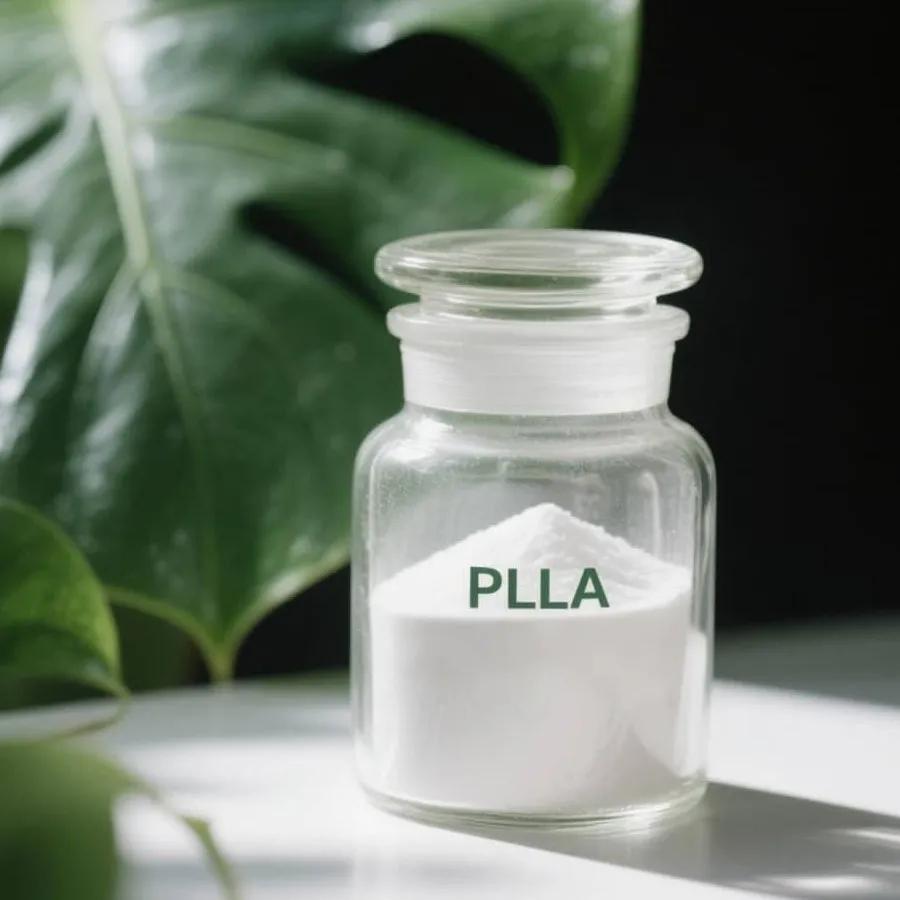
The PLLA polymer is a type of biodegradable polyester derived from renewable resources such as corn starch or sugarcane. It belongs to the family of polylactic acids (PLA), but what makes PLLA unique is its specific stereochemistry—being composed of the L-isomer of lactic acid.
This structural detail might sound technical, but it has significant consequences. It gives PLLA higher crystallinity, improved mechanical strength, and better thermal stability compared to other forms of PLA.
In simpler terms, PLLA polymer is strong, biodegradable, and derived from natural sources, making it a promising alternative to petroleum-based plastics.
How PLLA Polymer is Produced: From Nature to Material
To understand the value of PLLA, it helps to look at its production process. The journey begins with natural feedstocks like corn or sugarcane, which are fermented to produce lactic acid. This lactic acid is then purified and polymerized through a controlled chemical process to form long-chain polymers.
Here’s how the process flows:
Fermentation of plant-based sugars
Production of lactic acid
Purification into L-lactic acid
Polymerization into PLLA polymer
As a result, the final material is not only renewable but also significantly reduces dependence on fossil fuels. Moreover, under industrial composting conditions, PLLA polymer can break down into natural components, returning safely to the environment.
Key Properties That Make PLLA Polymer Unique
The growing popularity of PLLA is no coincidence. Its properties make it suitable for a wide range of advanced applications.
1. Biodegradability
One of the most important features of PLLA polymer is its ability to degrade naturally over time. Unlike conventional plastics, it does not persist for centuries in landfills or oceans.
2. Mechanical Strength
Due to its crystalline structure, PLLA offers impressive tensile strength. This makes it suitable for applications where durability is essential.
3. Biocompatibility
PLLA is safe for use in the human body, which is why it is widely used in medical devices such as sutures, implants, and tissue engineering scaffolds.
4. Thermal Sensitivity
While PLLA has good stability, it is sensitive to high temperatures. This characteristic influences how it is processed and used in manufacturing.
Together, these properties position PLLA polymer as a bridge between performance and sustainability.
Applications of PLLA Polymer Across Industries
The versatility of PLLA has led to its adoption in several high-impact sectors. Let’s explore where it is making the most difference.
Medical and Healthcare Industry
One of the most established uses of PLLA polymer is in medicine. Because it is biocompatible and safely absorbed by the body, it is used in:
Dissolvable sutures
Bone fixation devices
Drug delivery systems
Facial aesthetic fillers
In these applications, PLLA gradually breaks down into lactic acid, which the body naturally metabolizes.
3D Printing and Additive Manufacturing
The rise of 3D printing has opened new opportunities for sustainable materials. PLLA polymer is increasingly used in filament production due to its ease of processing and eco-friendly nature.
Designers and engineers appreciate its balance of strength and biodegradability, making it ideal for prototypes, biomedical models, and educational tools.
Packaging and Consumer Goods
As industries move away from single-use plastics, PLLA is emerging as a strong candidate for biodegradable packaging. It is already being explored for:
Food containers
Disposable cutlery
Eco-friendly films
Although cost remains a challenge, ongoing innovation is making PLLA more competitive in this space.
Textiles and Fibers
Another growing application is in the textile industry. PLLA fibers can be used to create lightweight, breathable, and sustainable fabrics. This opens the door to environmentally conscious fashion and industrial textiles.
Advantages of PLLA Polymer Over Conventional Plastics
When comparing PLLA polymer to traditional petroleum-based plastics, the advantages become clear:
Reduced environmental impact
Renewable raw materials
Lower carbon footprint
Safe biodegradation process
Compatibility with human tissue
However, it is important to note that PLLA is not without challenges. Its higher cost and sensitivity to heat can limit large-scale adoption in certain industries.
Challenges and Limitations
Despite its promise, PLLA polymer faces several barriers that must be addressed for widespread use.
First, production costs remain relatively high compared to conventional plastics. This is mainly due to complex processing and purification steps.
Second, its mechanical performance, while strong, may not match the durability of some engineering plastics in extreme conditions.
Finally, degradation requires specific industrial composting conditions, meaning it may not break down efficiently in natural environments like oceans or soil.
These challenges highlight the need for continued research and technological improvement.
The Future of PLLA Polymer: Where Are We Headed?
Looking forward, the future of PLLA polymer appears both promising and transformative. Researchers are actively working on improving its thermal stability, reducing production costs, and enhancing its performance through blending with other biodegradable materials.
Moreover, as global regulations tighten around plastic waste and carbon emissions, demand for sustainable alternatives is expected to rise significantly. This positions PLLA as a key material in the transition toward a circular economy.
We may soon see PLLA integrated into everyday life in ways that are currently unimaginable—from smart medical implants to fully compostable packaging systems and beyond.
Conclusion: A Material That Reflects the Future of Sustainability
The story of PLLA polymer is more than just a scientific development—it is a reflection of a global shift in how we think about materials, waste, and responsibility. As industries continue to search for solutions that balance performance with environmental care, PLLA stands out as a strong contender.
However, the real question is not whether PLLA can replace conventional plastics, but how quickly we can innovate to make it scalable, affordable, and universally accessible.
As research advances and industries evolve, PLLA polymer may well become one of the defining materials of a more sustainable future. The challenge now lies in turning its potential into widespread reality—and in doing so, reshaping the relationship between technology and the planet we depend on.