

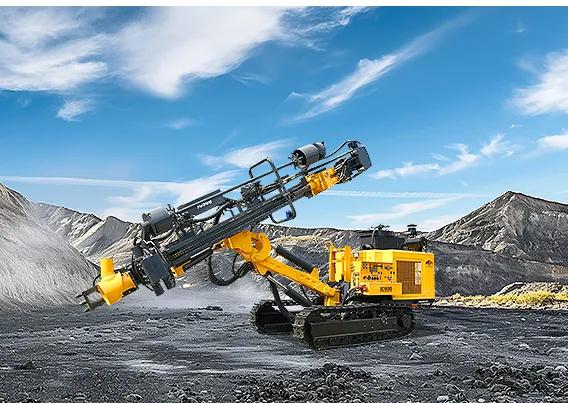
In today’s rapidly evolving mining industry, efficiency, precision, and safety are no longer optional—they are essential. At the heart of this transformation lies one powerful machine: the mining drill rig. Whether it’s extracting valuable minerals from deep underground or preparing sites for large-scale construction, the mining drill rig has become an indispensable tool driving productivity and innovation.
This article explores what a mining drill rig is, how it works, its types, benefits, and the future of drilling technology—giving you a complete, engaging, and easy-to-understand guide.
What is a Mining Drill Rig?
A mining drill rig is a specialized piece of equipment used to drill holes into the earth’s surface. These holes serve multiple purposes, including:
Blasting for mineral extraction
Exploration of underground resources
Installation of support structures
Sampling geological formations
In simple terms, a mining drill rig acts as the entry point into the earth, enabling miners to access valuable resources safely and efficiently.
Why Mining Drill Rigs Matter More Than Ever
As global demand for minerals, metals, and energy resources continues to rise, mining companies are under pressure to deliver faster results without compromising safety or environmental standards.
This is where the mining drill rig becomes critical.
Key Reasons for Their Importance:
Increased Efficiency: Faster drilling speeds reduce project timelines
Enhanced Precision: Advanced rigs ensure accurate drilling angles and depths
Improved Safety: Modern rigs minimize human exposure to hazardous environments
Cost Reduction: Automation reduces labor and operational costs
In essence, the mining drill rig is not just a machine—it’s a productivity engine.
Types of Mining Drill Rigs
Mining drill rigs are not one-size-fits-all. Different mining conditions require specialized equipment. Let’s explore the main types:
1. Surface Drill Rigs
Used in open-pit mining, surface drill rigs are designed to drill through rock layers from above ground.
Common Uses:
Quarrying
Coal mining
Large-scale mineral extraction
These rigs are known for their power and ability to handle large drilling operations.
2. Underground Drill Rigs
Underground mining requires compact yet powerful machines. These rigs are designed to operate in confined spaces.
Features:
Smaller size for maneuverability
High precision drilling
Enhanced safety systems
They are essential for deep mining operations where space and safety are critical.
3. Rotary Drill Rigs
Rotary rigs use rotating drill bits to cut through rock formations.
Best For:
Soft to medium-hard rock
Deep drilling operations
Their versatility makes them one of the most widely used types of mining drill rigs.
4. Percussion Drill Rigs
These rigs use a hammering action to break rock.
Advantages:
Effective in hard rock conditions
High penetration rate
They are often used when dealing with extremely tough geological formations.
5. Hydraulic Drill Rigs
Hydraulic rigs use fluid pressure to power drilling operations.
Key Benefits:
Greater control and precision
Reduced noise and vibration
Energy efficiency
These are increasingly popular due to their reliability and environmental advantages.
How Does a Mining Drill Rig Work?
Understanding how a mining drill rig operates helps highlight its importance.
Step-by-Step Process:
Positioning the Rig The rig is placed precisely where drilling is required.
Drill Bit Activation The drill bit begins rotating or hammering, depending on the type of rig.
Penetration into Rock The rig applies force to break and penetrate the rock layers.
Debris Removal Compressed air or fluid removes rock cuttings from the hole.
Hole Completion The drilled hole is used for blasting, sampling, or structural support.
This seamless process ensures efficiency while maintaining accuracy.
Key Components of a Mining Drill Rig
A mining drill rig consists of several essential components working together:
Drill Bit: The cutting tool that penetrates the rock
Drill Rod: Transfers power to the drill bit
Power System: Hydraulic, electric, or diesel engine
Control System: Allows operators to manage drilling operations
Cooling System: Prevents overheating during drilling
Each component plays a crucial role in ensuring smooth and effective operations.
Advantages of Modern Mining Drill Rigs
The evolution of mining drill rigs has brought significant improvements. Let’s look at the key benefits:
1. Automation and Smart Technology
Modern rigs are equipped with automation features, reducing human intervention and increasing accuracy.
2. Enhanced Safety Standards
Advanced safety systems protect operators and reduce workplace accidents.
3. Environmental Efficiency
Newer rigs are designed to minimize environmental impact by reducing emissions and energy consumption.
4. Cost-Effectiveness
Despite high initial investment, mining drill rigs save money in the long run through efficiency and durability.
Challenges in Mining Drill Rig Operations
While mining drill rigs offer numerous benefits, they also come with challenges:
1. High Initial Costs
Purchasing and maintaining advanced rigs can be expensive.
2. Skilled Workforce Requirement
Operating modern rigs requires trained professionals.
3. Harsh Working Conditions
Extreme temperatures and tough terrains can affect performance.
4. Environmental Concerns
Drilling activities can impact ecosystems if not managed responsibly.
Addressing these challenges is essential for sustainable mining operations.
The Future of Mining Drill Rigs
The mining industry is entering a new era, and mining drill rigs are evolving rapidly.
Key Trends to Watch:
1. Automation and AI Integration
Autonomous drill rigs are becoming more common, reducing human risk and increasing efficiency.
2. Remote Operations
Operators can control rigs from safe, remote locations, improving safety and productivity.
3. Eco-Friendly Designs
Electric and hybrid rigs are being developed to reduce carbon emissions.
4. Data-Driven Mining
Advanced sensors and analytics help optimize drilling performance in real-time.
These innovations are not just improving mining—they are redefining it.
Choosing the Right Mining Drill Rig
Selecting the right mining drill rig depends on several factors:
Type of mining (surface or underground)
Rock hardness and geological conditions
Project scale and budget
Required drilling depth and precision
Making the right choice can significantly impact operational success.
Conclusion: Drilling Toward a Smarter Future
The mining drill rig stands as a symbol of progress in the mining industry—bridging the gap between raw natural resources and modern technological advancement. From improving efficiency and safety to enabling deeper and more precise exploration, these machines are transforming how we interact with the earth.
However, as the demand for resources continues to grow, so does the responsibility to mine sustainably. The future of mining drill rigs lies not just in power and performance, but in innovation, environmental stewardship, and intelligent design.
The real question is no longer how deep we can drill, but rather how smartly and responsibly we choose to do it.