

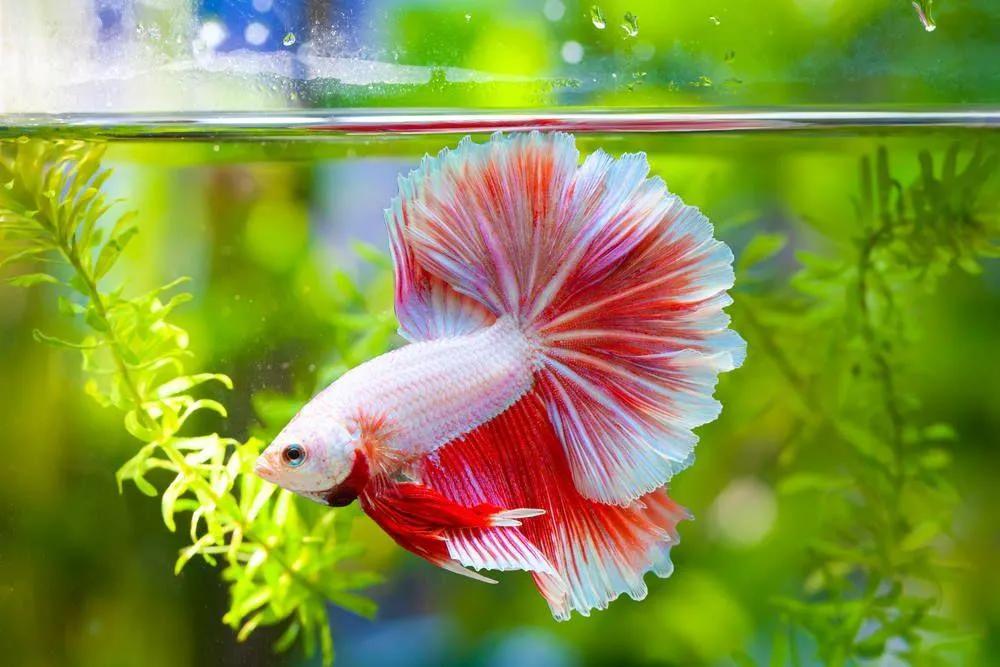
Anyone researching guppy fish male tends to arrive with a fairly similar set of practical questions before actually bringing a fish home. This guide covers what genuinely matters, from setup basics through to choosing healthy stock.
Water Chemistry in Detail
A pH between 7.0 and 8.0 and moderately hard water suits most captive-bred lines well, since the species naturally favours slightly harder, more mineral-rich water than many other popular tropical fish. A reliable liquid test kit, rather than strips alone, catches ammonia and nitrite spikes before they become a genuine problem, and most UK tap water sits comfortably within an acceptable range once treated with a basic dechlorinator, making the species considerably more forgiving than its reputation for pickiness might suggest.
Cycling a Tank Before Buying
Cycling a new tank takes two to four weeks before it's genuinely ready to support fish safely, and buying stock before that process is complete is one of the most common and avoidable mistakes new keepers make. A tank that hasn't developed a stable colony of beneficial bacteria will see ammonia and nitrite spike quickly once livestock is introduced, placing considerable strain on even a generally hardy species. Patience during this early setup period consistently pays off over the following two to three years of ownership.
Diet and Feeding Routine
A varied diet of high-quality flake or micro-pellet food, supplemented occasionally with live or frozen brine shrimp or daphnia, supports vivid colour and steady growth. Small, frequent feedings suit their small stomachs better than one large daily feed, and uneaten food should be removed promptly to protect water quality. Overfeeding remains a far more common issue than underfeeding among new keepers, often stemming from simple enthusiasm rather than any genuine misunderstanding of the fish's actual dietary needs.
Understanding Breeding Behaviour
As livebearers, female guppies give birth to free-swimming fry roughly every four to six weeks once mature, often without any deliberate breeding effort on the keeper's part. A heavily planted tank or dedicated breeding trap helps fry survive their first few days, since adult fish, including their own parents, will readily eat newborn fry given the chance. This continuous breeding cycle is part of why guppies remain such a popular choice for keepers curious about the livebearing side of the hobby without committing to a dedicated breeding project.
Recognising a Healthy Specimen
Bright, even colouration, fully extended fins without tears, and confident, active swimming are the baseline indicators of good health, regardless of colour strain or fin type on offer. A fish that hides near the bottom or shows clamped fins is best avoided even at an attractive price, since these early warning signs tend to indicate stress or illness that generally worsens rather than improves once introduced into a new, unfamiliar tank environment.
Colour and Fin Variety Explained
Delta tail, veiltail, lyretail, and swordtail are among the most recognisable fin shapes, each carrying slightly different care considerations. Longer-finned varieties are more prone to fin damage and benefit from smoother décor and calmer tank mates than the hardier, shorter-finned strains. Colour genetics add a further layer of variety, with cobra, mosaic, tuxedo, and grass patterns among the more distinctive strains that have emerged from decades of dedicated selective breeding within the hobby.
Common Health Issues to Watch For
Fin rot, ich, and swim bladder issues linked to overfeeding are the most frequently reported problems, nearly all of which are preventable with stable water quality and a consistent feeding routine. Clamped fins, lethargy, or a sudden loss of appetite are all worth acting on early rather than waiting to see if a fish improves on its own, since prompt intervention consistently produces better outcomes than a wait-and-see approach once a genuine health issue has taken hold.
Choosing a Reputable Source
Specialist retailers with dedicated quarantine systems tend to offer noticeably healthier, better-conditioned stock than generic pet aisles carrying many unrelated species. A seller willing to answer questions about water parameters and how long stock has settled is generally a safer bet than one offering only vague reassurances, and taking a few extra minutes to ask these questions before buying meaningfully reduces the risk of bringing home an unhealthy or poorly acclimatised fish.
Tank Mates Worth Considering
Corydoras catfish, small tetras, and other peaceful livebearers such as platies and mollies all work well alongside guppies, provided the tank offers enough space and planting for a calm community setup. Fin-nipping species are best avoided, since a guppy's flowing tail is an easy and tempting target for more aggressive tank mates. A well-planted community tank with a thoughtfully chosen mix of species tends to produce the calmest, most visually engaging results overall.
When you're ready to look at endler guppy for sale, prioritise sellers who can speak confidently about water parameters and how long stock has settled, since that generally reflects better overall husbandry than a generic outlet carrying many unrelated species.
Handling and Acclimatisation Properly
Minimising time spent in transport matters considerably, since a small volume of water changes temperature and oxygen levels quickly. Floating the sealed bag in the tank for around fifteen minutes before gradually mixing in tank water gives fish the best possible start rather than releasing them straight into unfamiliar conditions. This more gradual introduction process meaningfully reduces the stress associated with sudden shifts in temperature and water chemistry after transit.
Typical Lifespan and Key Factors
A lifespan of two to three years is typical with consistent care, and water quality and temperature stability are the two biggest factors influencing how long fish live in captivity. Continuous breeding does place a cumulative toll on females in particular, so some keepers choose to give females periods of rest from males to help extend their overall condition and lifespan compared with continuous, unmanaged breeding pressure.
Managing a Mixed-Sex Group
A heavily male-skewed group puts real stress on individual females, so aiming for at least two females per male is generally recommended for a calmer, healthier group. Alternatively, a single-sex tank sidesteps the breeding question entirely while still offering the same colour and personality that draws people to the species, making it a genuinely popular choice among keepers who want the visual appeal without the added complexity of managing fry.
Substrate and Décor Choices
Fine sand or smooth gravel works well, and dense planting, particularly floating varieties, gives fry and lower-ranking fish somewhere to retreat. Sharp-edged décor is best avoided, since it can damage delicate fins during normal exploration of the tank. Dark substrates tend to make colour stand out more vividly against the backdrop, which is largely why many keepers favour darker gravel or sand in more deliberately arranged display tanks.
Lighting and Daily Routine
A consistent light cycle of eight to ten hours daily, ideally on a timer, helps establish a predictable routine and supports any live plants without encouraging excessive algae growth. Fish kept on an irregular light cycle can show subtly increased stress compared with those on a stable schedule, even when the difference isn't immediately obvious without careful observation over a period of several weeks.
Budgeting for the Full Setup
A tank of at least 40 litres, a reliable heater, gentle filtration, and suitable planting make up the essential costs beyond the fish themselves. None of these are individually expensive, but skipping any of them tends to show up as health or colour problems within weeks. Viewed across a typical two to three year lifespan, the fish themselves are usually the smallest ongoing cost once this initial equipment is properly in place.
A Note on Individual Personality
Personality varies noticeably between individuals, even within the same colour strain, and it's worth spending the first week or two simply observing rather than judging health against an idealised standard. Some fish settle and approach the glass within days, while others remain more cautious for a couple of weeks, and getting familiar with a group's normal baseline behaviour makes genuine changes considerably easier to notice later.
With the basics covered and a little patience during the settling-in period, this remains one of the more rewarding species available to UK fishkeepers, offering genuine colour and personality in return for relatively modest, consistent care.